
OutSystems Event-Driven Architecture: Say bye to brittle

Event-based apps are the gold standard for flexibility—and now they’re easy to build. Leave behind request-driven models and use OutSystems to move to the scalability and responsiveness of EDA.








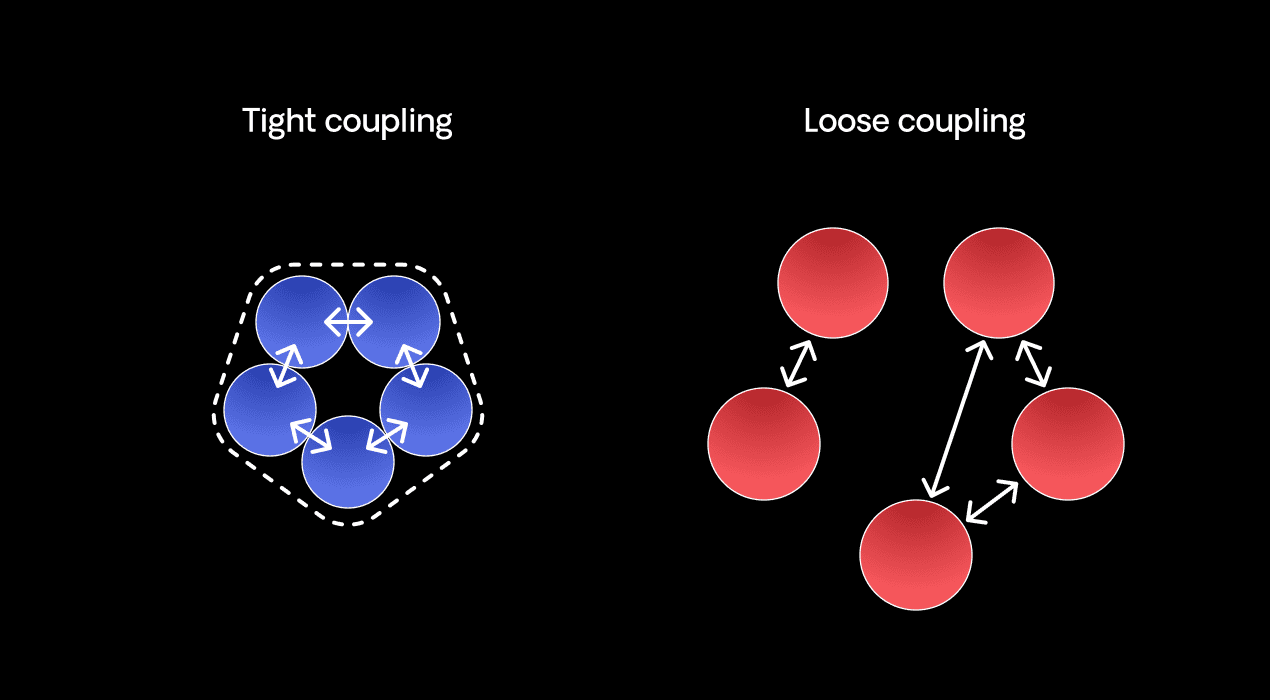
Loosely coupled, less complex
EDA enables a loosely-coupled landscape for more flexibility and fewer disruptions. With OutSystems, you have the unified tool you need to make EDA a reality.

“The main purpose of the composable architecture is that you should never build something where you are stuck in a corner.”

Move from monoliths to microservices
Break down monoliths into nimble microservices. Easier to build, easier to change, and easier to manage.
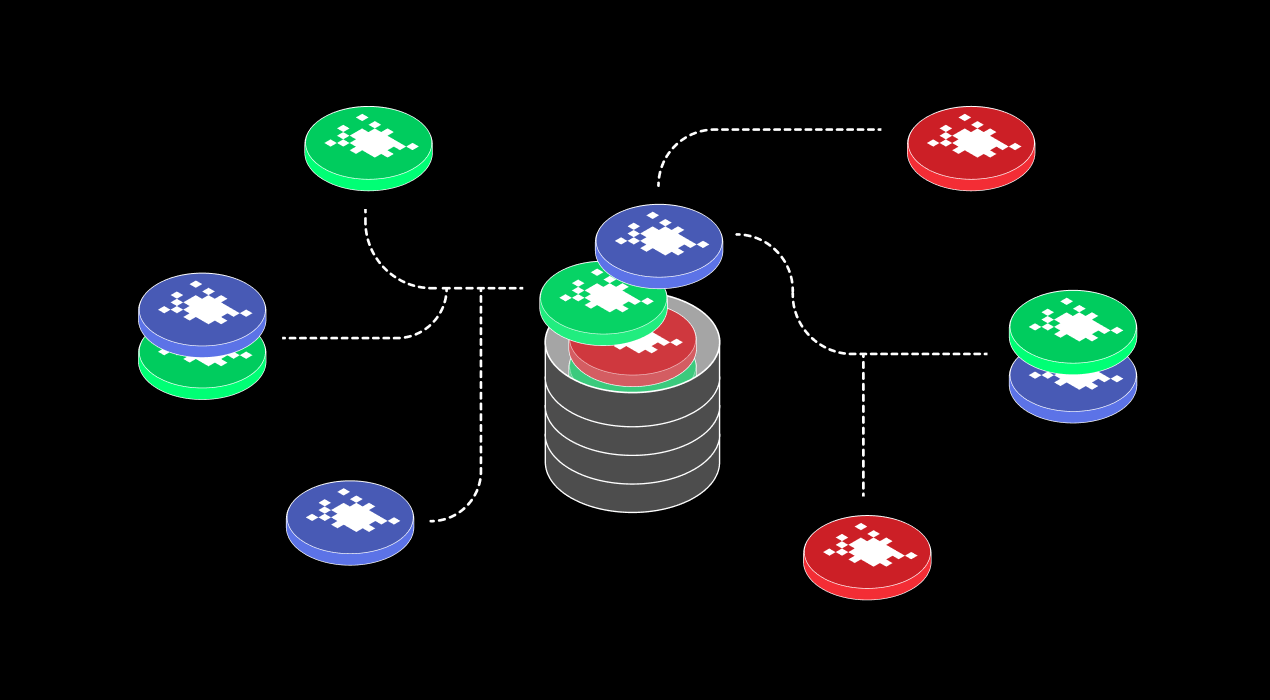
Move from monoliths to microservices
Break down monoliths into nimble microservices. Easier to build, easier to change, and easier to manage.
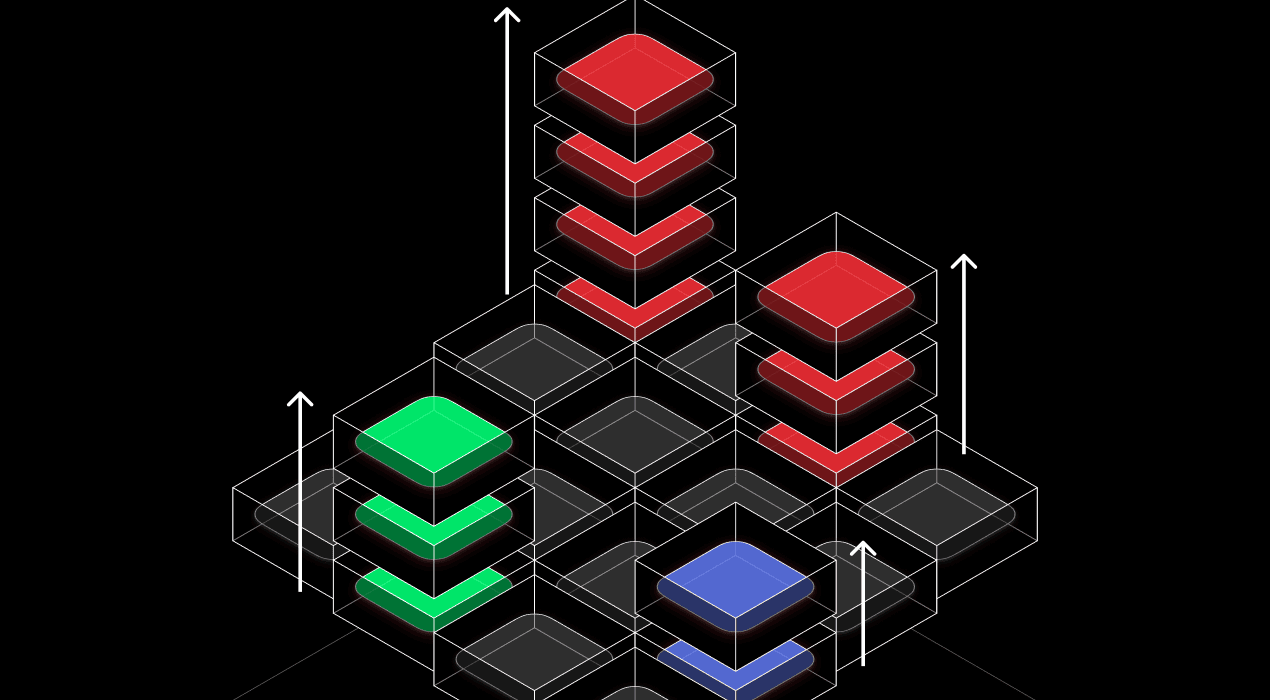
Scale easy, scale often
Event-driven architecture makes scaling simple. Easily respond to changing business needs by scaling individual components on demand.
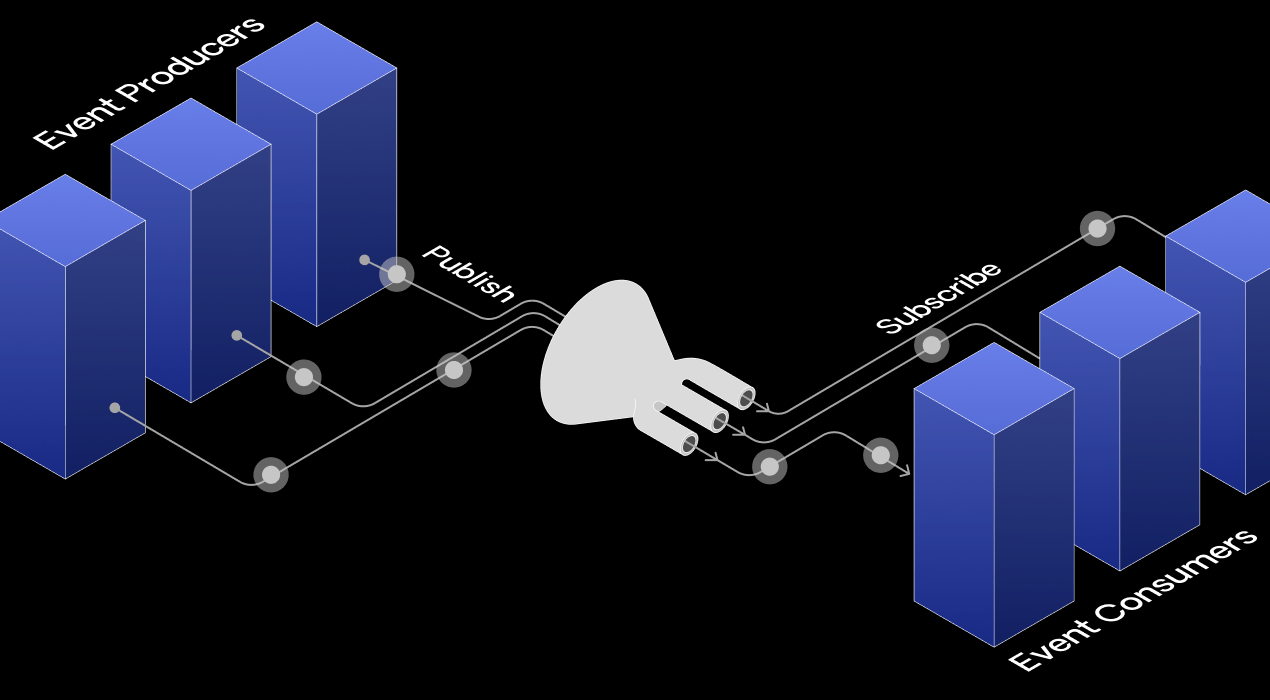
Get real-time (and async) with Pub/Sub
Use the Publish/Subscribe messaging pattern to enable real-time and async communication—without dependencies. Goodbye, delivery failures; hello, reliability.
Minimize failures, maximize fixes
EDA with OutSystems results in reduced dependencies and less custom code. That means fewer failures to begin with—and easier fixes if they do they happen.
Frequently asked questions
Traditional architectures are built of tightly-coupled services, which means that a single point of failure can disrupt an entire system. This impedes reliability and responsiveness, while also making it harder to scale or adapt to changing business needs.
In a conventional system, actions are driven by client requests that require a response from the server. As requests increase, server response time decreases. In an EDA-based system, however, actions are driven by events that are processed independently of each other and in parallel, making it easier for the system to handle high volumes of activity.
When building complex workflows within monolithic structures, there is no way to avoid intricate dependencies. EDA breaks down complex workflows into modular, independently deployable services, eliminating dependencies and making way for less brittle, more resilient logic.
In conventional request-driven models, actions only occur after a response is requested and then received from a server, which makes both near real-time and asynchronous communication difficult. In EDA, actions occur automatically based on detected events, which can be any significant occurrence or change in state.
Developers using traditional approaches to EDA have to write complex custom code for event-related tasks, which takes longer, requires expertise, and leaves room for error. With OutSystems, your dev teams are given the unified tool they need to easily take advantage of all the benefits EDA has to offer.

How low-code helps overcome architecture challenges
This article shows why an enterprise-grade low-code development platform should be part of any IT ecosystem or enterprise architecture.

Accelerate innovation with Low-Code
Download our infographic to learn how low-code platforms address security, scalability, and availability for agile app development.

Agile Enterprise Architecture
Read this ebook and start solving for the need for agility with a secure, maintainable, available, and reliable enterprise architecture.